
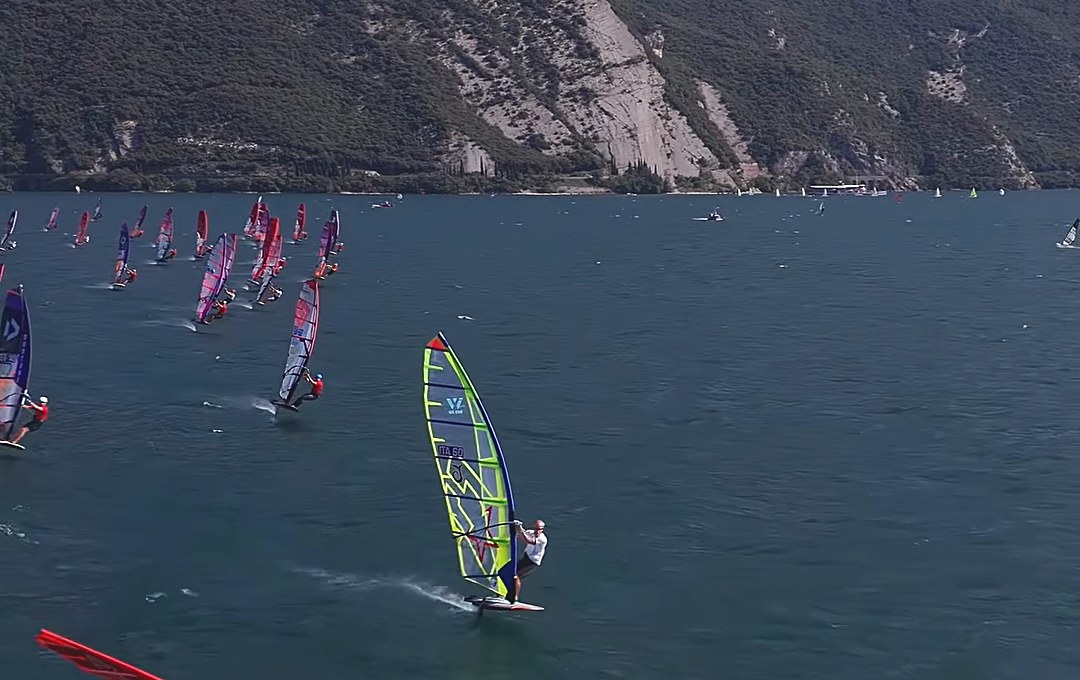
Benedetti on the Podium, Prosperi 2nd Youth at the Austria Slalom Cup on Lake Garda
Austria Slalom Cup 2026 in Torbole: Daniele Benedetti 3rd in a 45-rider foil fleet, Gabriele Prosperi 7th overall and 2nd Youth before his PWA debut in Sylt.
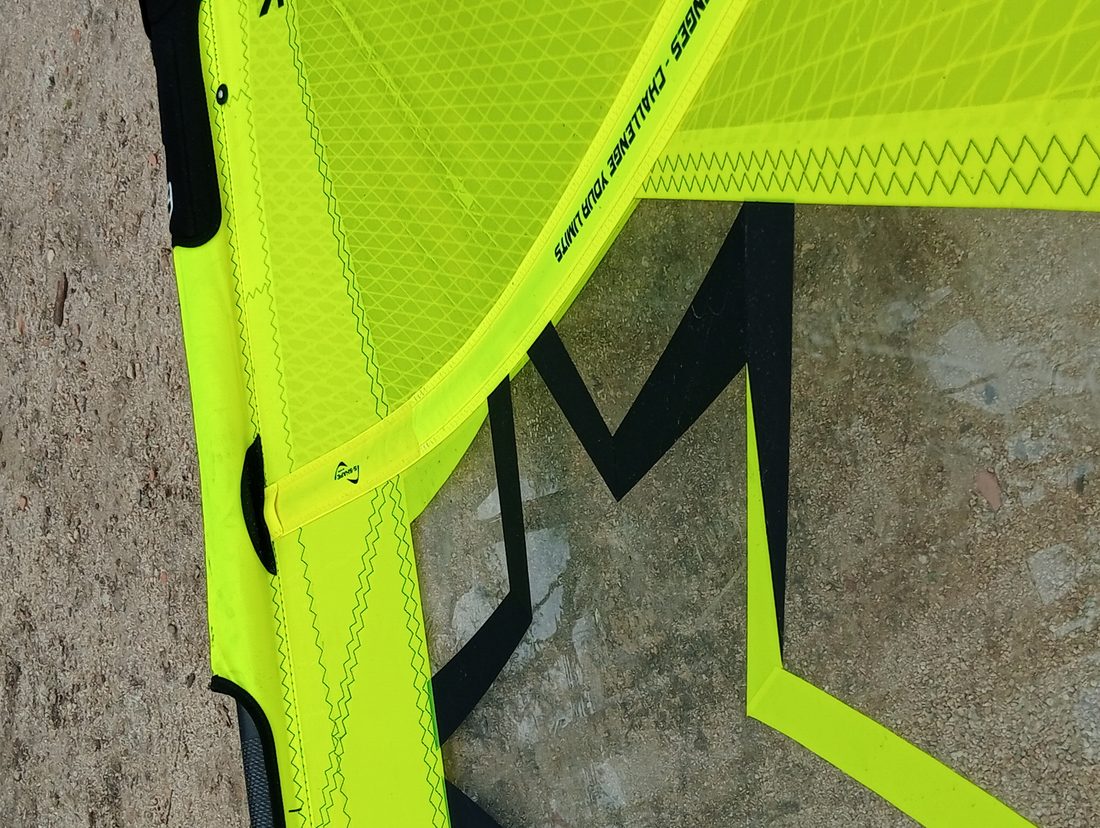
The batten’s job is to support the sail’s shape. Each one holds a section of the panel structure in a specific curve, transferring load from the sail cloth into the leech and ultimately into the mast and boom system.
The tension you apply to each batten determines how much of that shape is locked in. Too little and the sail collapses under load, losing its aerodynamic profile. Too much and the sail becomes stiff and unresponsive, unable to adapt to changes in wind pressure.
Getting it right means the sail can do what it was designed to do.
There isn’t a single answer — it depends on conditions and sail type.
More batten tension makes sense in strong, consistent wind. The shape stays locked in, power delivery is predictable, and the sail resists deforming under peak load. Race and slalom sails in powered-up conditions benefit from higher batten tension.
Less batten tension is better in light or variable wind. The sail breathes more, generating power across a wider pressure range. It also makes the sail easier to handle and rotate — useful for freeride and wave sailing where feel and responsiveness matter more than raw speed.
A common mistake is running high tension in light wind because it “feels more solid.” It doesn’t help — it just makes the sail heavier and slower to respond.
This is the detail most people miss entirely. Each batten should rotate cleanly to the correct side of the mast when you tack or gybe. If it doesn’t — if it sticks, hesitates, or pops back — the sail loses shape at exactly the moment you need it most.
Check rotation regularly, especially on the battens closest to the mast. These are the most prone to sticking because they’re working against the highest load.
If a batten won’t rotate cleanly even with correct tension, the issue may be the batten pocket angle or the batten itself. This is worth checking with your sailmaker before assuming the adjustment is wrong.
Start from the top of the sail and work down. Tension each batten until the camber feels firm but not rigid — you should be able to flex the sail slightly with your hand. The leech should lie flat without puckering at the batten tips.
After adjusting, check the full sail shape by holding the luff and looking at the profile from the front. The curve should be smooth and consistent from head to foot, without flat spots or hard points between battens.
Make small adjustments. A quarter turn on the tensioner makes more difference than it looks.
Batten tension interacts with downhaul. When you add downhaul, the sail rotates and the load on each batten changes. Always check your batten tension after a significant downhaul adjustment — especially if you’re moving from light to strong wind conditions.
Every CHS sail comes with recommended batten tension guidelines for each size and model. If you’re unsure about your setup, take a look at the range — and send me a message if you want to talk it through. I’m happy to help directly.
— Claudio Badiali, CHS Wind Solutions
Browse the sails → chswindsolutions.com/chs-shop
Email me → bad@chswindsolutions.com
WhatsApp → wa.me/393298507855
CHS Wind Solutions — Handcrafted in Senigallia, Italy since 1978.
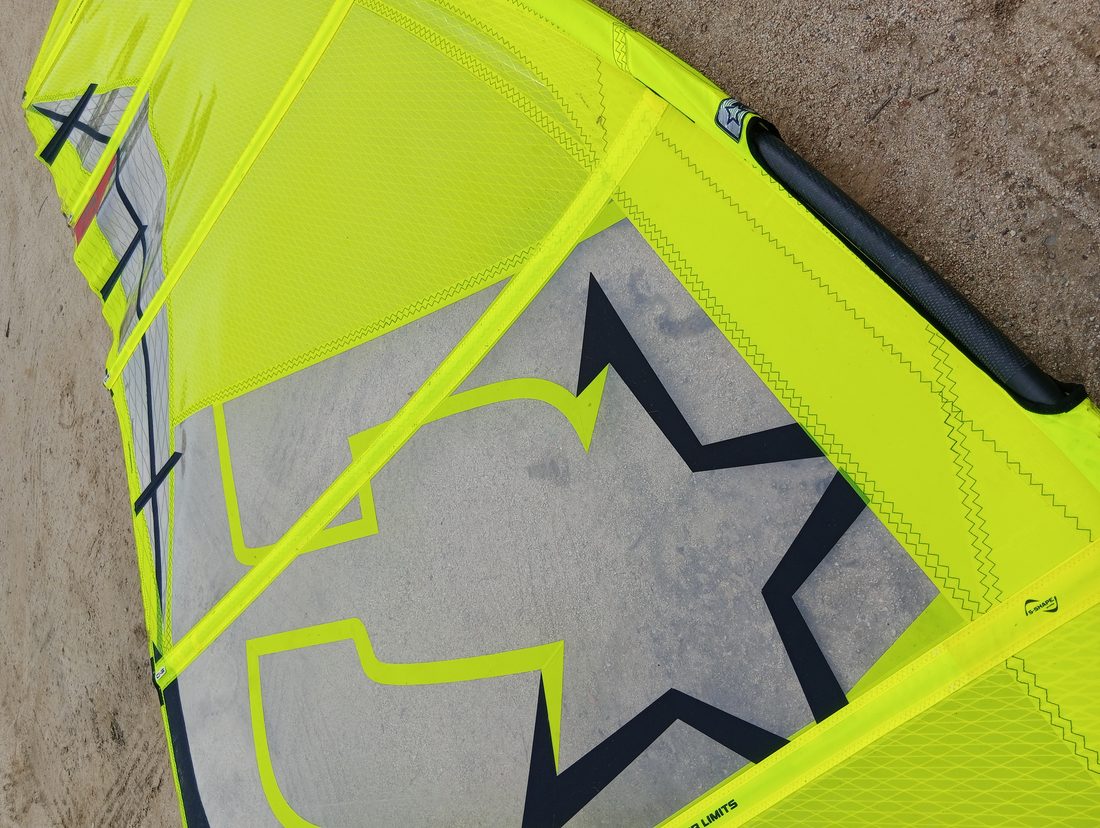
Le stecche sono uno degli strumenti di regolazione più trascurati nel windsurf. La maggior parte dei rider le regola una volta a inizio stagione e non le tocca più. È un errore — e si ripercuote su tutto: erogazione della potenza, velocità in strambata, durata della vela.
Ecco quello che vale davvero la pena sapere.
Il compito di una stecca è sostenere la forma della vela. Ogni stecca mantiene una sezione dei pannelli in una curva precisa, trasferendo il carico dal tessuto alla balumina, all’albero e al boma.
La tensione che applicate a ogni stecca determina quanto quella forma è bloccata. Troppo poca e la vela collassa sotto carico, perdendo il profilo aerodinamico. Troppa e la vela diventa rigida e poco reattiva, incapace di adattarsi alle variazioni di pressione del vento.
Trovare il punto giusto significa permettere alla vela di fare quello per cui è stata progettata.
Non c’è una risposta unica — dipende dalle condizioni e dal tipo di vela.
Più tensione nelle stecche ha senso con vento forte e costante. La forma resta bloccata, l’erogazione della potenza è prevedibile, la vela resiste alle deformazioni sotto i picchi di carico. Le vele da race e slalom in condizioni di piena potenza beneficiano di una tensione più alta.
Meno tensione è meglio con vento leggero o variabile. La vela respira di più, genera potenza su un range di pressione più ampio. Rende anche la vela più leggera da gestire e da ruotare — utile nel freeride e nel wave, dove conta più la sensazione che la velocità pura.
Un errore comune è tenere alta tensione con vento leggero perché “sembra più solida”. Non aiuta — anzi, la vela diventa solo più pesante e lenta a rispondere.
È il dettaglio che quasi tutti ignorano. Ogni stecca deve ruotare in modo pulito sul lato corretto dell’albero quando virate o strambate. Se non lo fa — se si inceppa, esita o torna indietro — la vela perde forma esattamente nel momento in cui ne avete più bisogno.
Controllate la rotazione regolarmente, soprattutto sulle stecche più vicine al boma. Sono quelle più soggette a incepparsi perché lavorano contro il carico più alto.
Se una stecca non ruota in modo pulito anche con la tensione corretta, il problema potrebbe essere l’angolo della tasca o la stecca stessa. Vale la pena verificarlo con il velaio prima di pensare che sia solo una questione di regolazione.
Partite dalla penna e scendete verso la base. Tensionate ogni stecca finché il profilo sembra fermo ma non rigido — dovreste riuscire a flettere leggermente la vela con la mano. La balumina deve stare piatta senza arricciature alle punte delle stecche.
Dopo la regolazione, controllate la forma complessiva tenendo l’inferitura e guardando il profilo frontalmente. La curva deve essere fluida e uniforme dalla penna alla base, senza punti piatti o duri tra una stecca e l’altra.
Fate piccole regolazioni. Un quarto di giro sul tensionatore fa più differenza di quanto sembri.
La tensione delle stecche interagisce con il caricabasso. Quando aggiungete caricabasso, la vela ruota e il carico su ogni stecca cambia. Controllate sempre la tensione delle stecche dopo una regolazione significativa del caricabasso — soprattutto se passate da condizioni di vento leggero a forte.
Ogni vela CHS viene fornita con le indicazioni di tensione raccomandate per ogni misura e modello. Se non siete sicuri del vostro setup, date un’occhiata alla gamma — e se volete parlarne, mandatemi un messaggio. Vi rispondo direttamente.
— Claudio Badiali, CHS Wind Solutions
Guarda le vele → chswindsolutions.com/chs-shop
Scrivimi → bad@chswindsolutions.com
WhatsApp → wa.me/393298507855
CHS Wind Solutions — Handcrafted a Senigallia, Italia dal 1978.
Austria Slalom Cup 2026 in Torbole: Daniele Benedetti 3rd in a 45-rider foil fleet, Gabriele Prosperi 7th overall and 2nd Youth before his PWA debut in Sylt.
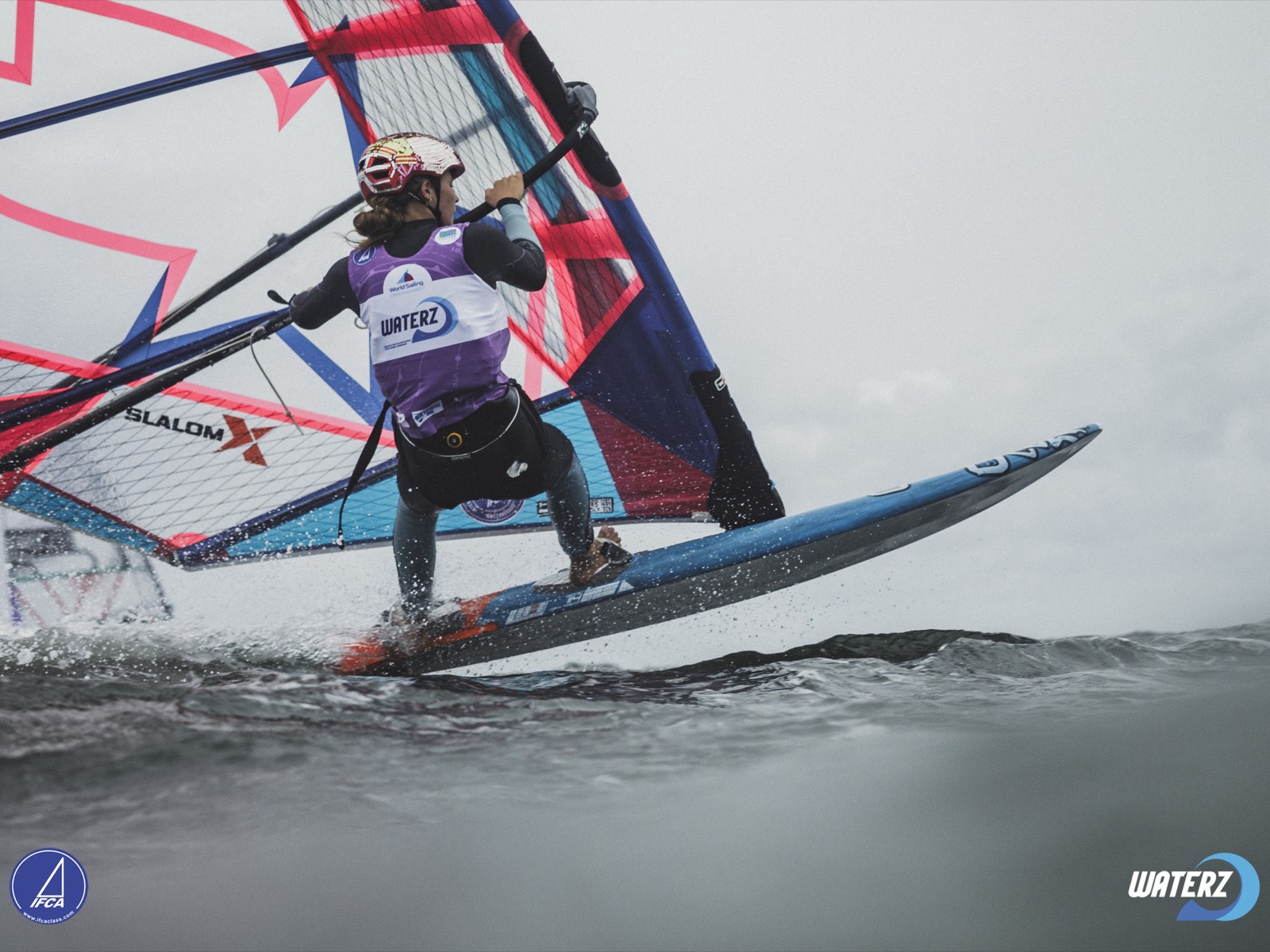
CHS rider Charlotte Philip is 1st Youth and 5th overall in the women’s fleet at the 2026 IFCA Fin Slalom European Championships in Hvide Sande, Denmark.