
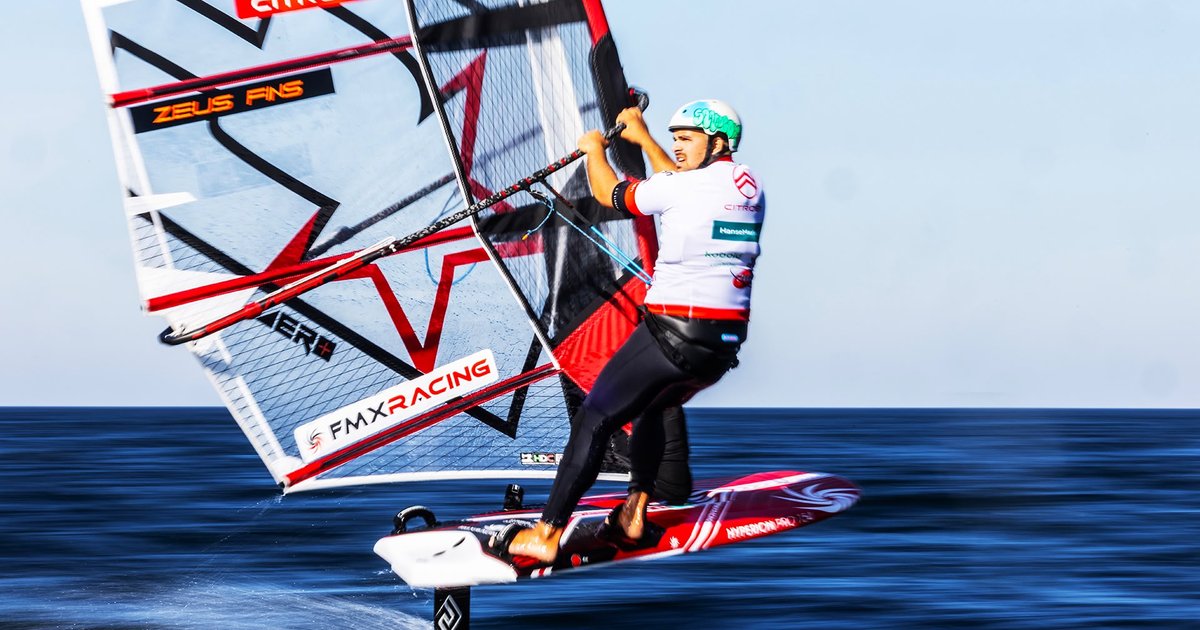
John Soukos Finishes 5th at the PWA World Cup Sylt 2026
PWA World Cup Sylt 2026: John Soukos 5th in Foil Slalom, Cyril Evrard 18th on his comeback from injury, Gabriele Prosperi 34th at his first PWA event.
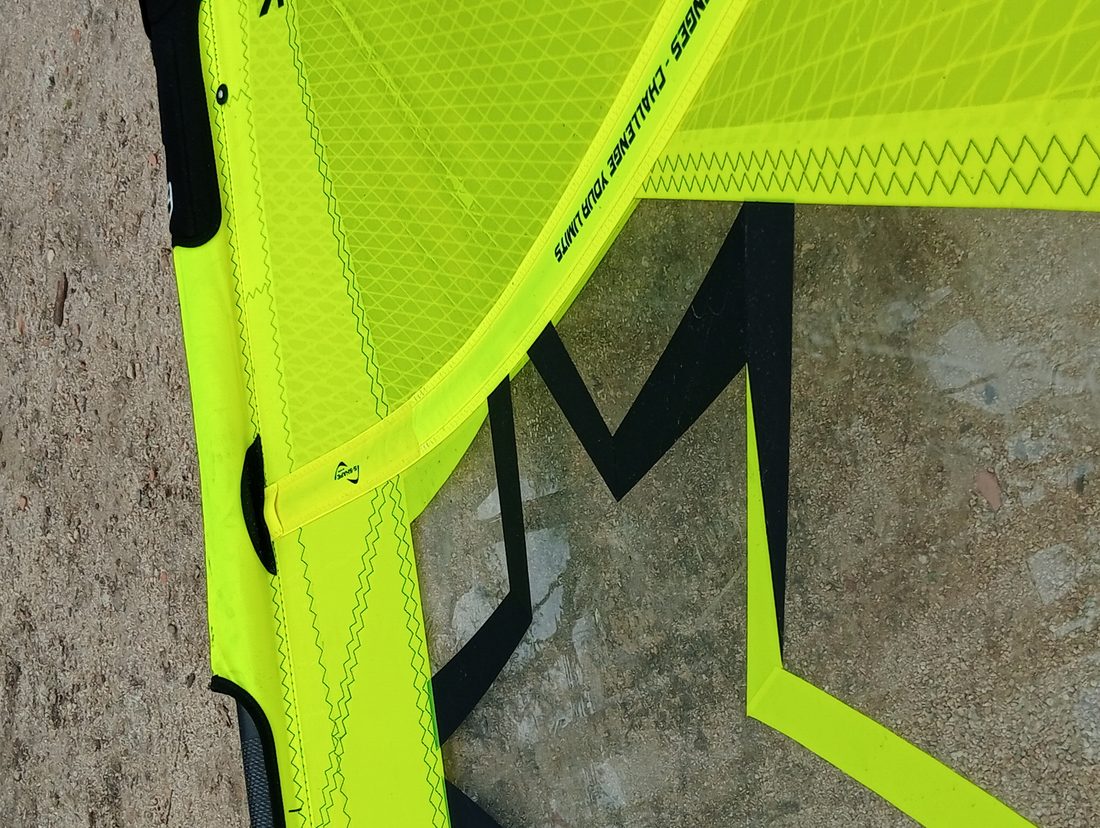
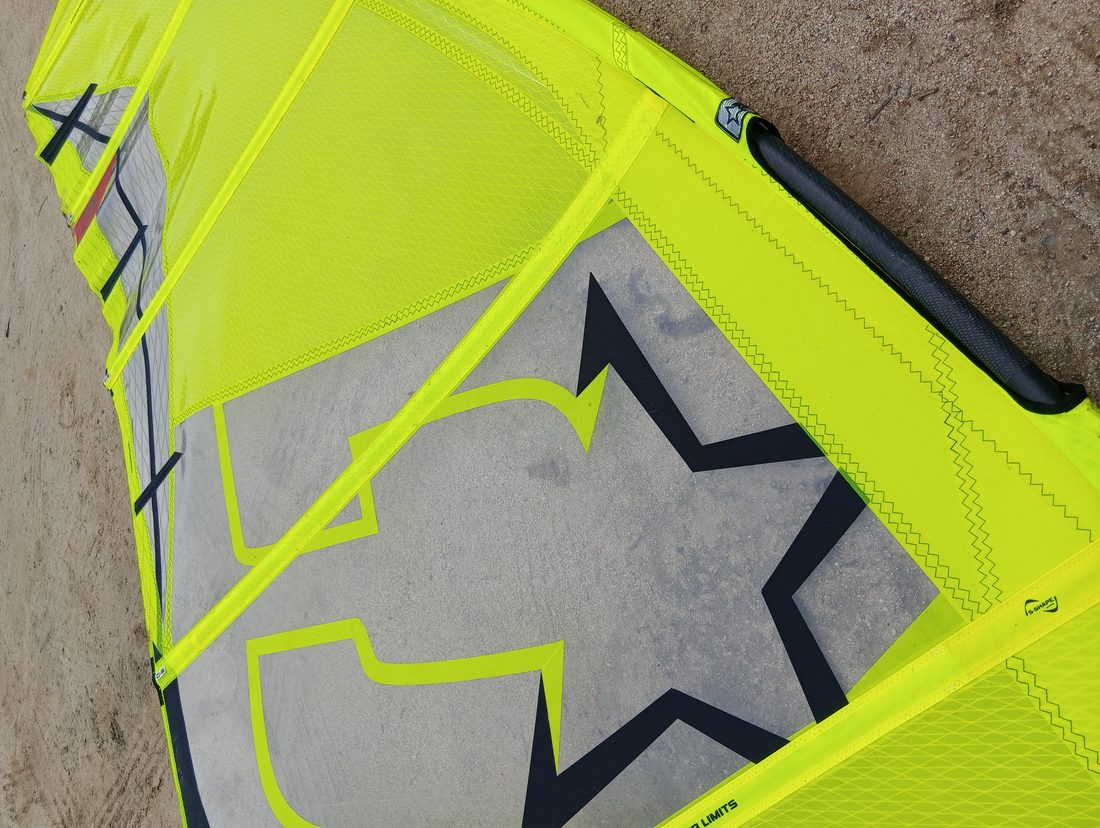
The batten’s job is to support the sail’s shape. Each one holds a section of the panel structure in a specific curve, transferring load from the sail cloth into the leech and ultimately into the mast and boom system.
The tension you apply to each batten determines how much of that shape is locked in. Too little and the sail collapses under load, losing its aerodynamic profile. Too much and the sail becomes stiff and unresponsive, unable to adapt to changes in wind pressure.
Getting it right means the sail can do what it was designed to do.
There isn’t a single answer — it depends on conditions and sail type.
More batten tension makes sense in strong, consistent wind. The shape stays locked in, power delivery is predictable, and the sail resists deforming under peak load. Race and slalom sails in powered-up conditions benefit from higher batten tension.
Less batten tension is better in light or variable wind. The sail breathes more, generating power across a wider pressure range. It also makes the sail easier to handle and rotate — useful for freeride and wave sailing where feel and responsiveness matter more than raw speed.
A common mistake is running high tension in light wind because it “feels more solid.” It doesn’t help — it just makes the sail heavier and slower to respond.
This is the detail most people miss entirely. Each batten should rotate cleanly to the correct side of the mast when you tack or gybe. If it doesn’t — if it sticks, hesitates, or pops back — the sail loses shape at exactly the moment you need it most.
Check rotation regularly, especially on the battens closest to the mast. These are the most prone to sticking because they’re working against the highest load.
If a batten won’t rotate cleanly even with correct tension, the issue may be the batten pocket angle or the batten itself. This is worth checking with your sailmaker before assuming the adjustment is wrong.
Start from the top of the sail and work down. Tension each batten until the camber feels firm but not rigid — you should be able to flex the sail slightly with your hand. The leech should lie flat without puckering at the batten tips.
After adjusting, check the full sail shape by holding the luff and looking at the profile from the front. The curve should be smooth and consistent from head to foot, without flat spots or hard points between battens.
Make small adjustments. A quarter turn on the tensioner makes more difference than it looks.
Batten tension interacts with downhaul. When you add downhaul, the sail rotates and the load on each batten changes. Always check your batten tension after a significant downhaul adjustment — especially if you’re moving from light to strong wind conditions.
Every CHS sail comes with recommended batten tension guidelines for each size and model. If you’re unsure about your setup, take a look at the range — and send me a message if you want to talk it through. I’m happy to help directly.
— Claudio Badiali, CHS Wind Solutions
Browse the sails → chswindsolutions.com/chs-shop
Email me → bad@chswindsolutions.com
WhatsApp → wa.me/393298507855
CHS Wind Solutions — Handcrafted in Senigallia, Italy since 1978.
PWA World Cup Sylt 2026: John Soukos 5th in Foil Slalom, Cyril Evrard 18th on his comeback from injury, Gabriele Prosperi 34th at his first PWA event.
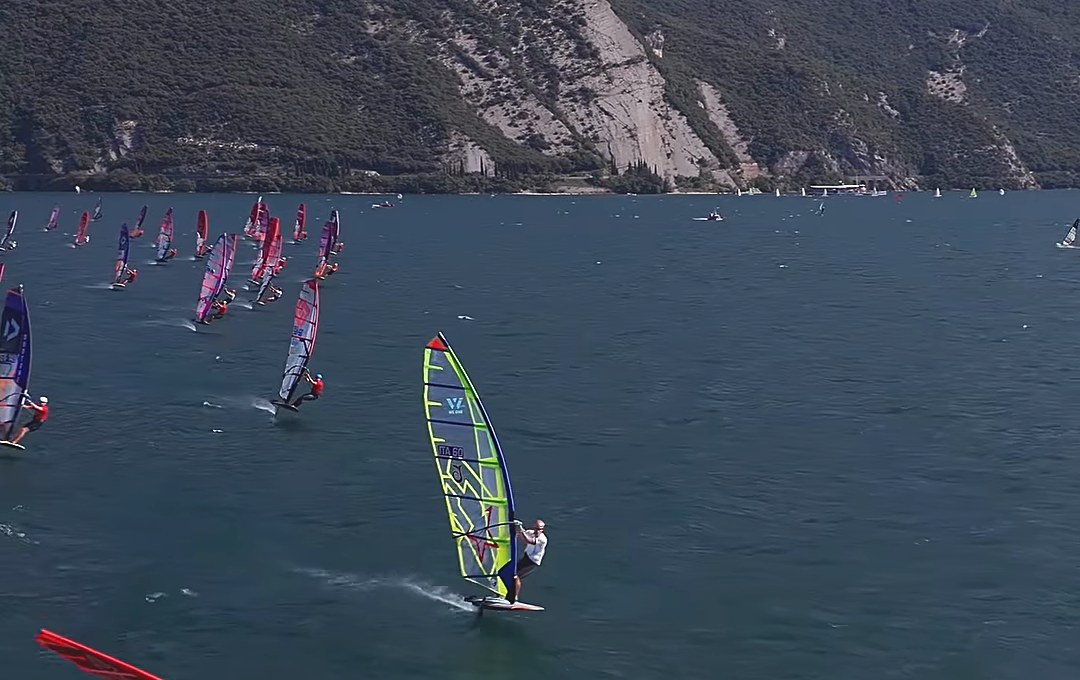
Austria Slalom Cup 2026 in Torbole: Daniele Benedetti 3rd in a 45-rider foil fleet, Gabriele Prosperi 7th overall and 2nd Youth before his PWA debut in Sylt.